
Does Smart Home Automation Increase Home Value?
What the data says about smart home automation and resale value, which features actually add value, and why quality installation matters more than gadgets.

Homeowners investing in automation reasonably ask: will this add value when I sell? The short version is that quality, integrated smart home technology can support resale value and help a home sell faster — but it’s not magic, and how it’s done matters enormously. Here’s what the data says and how to invest wisely.
The short answer
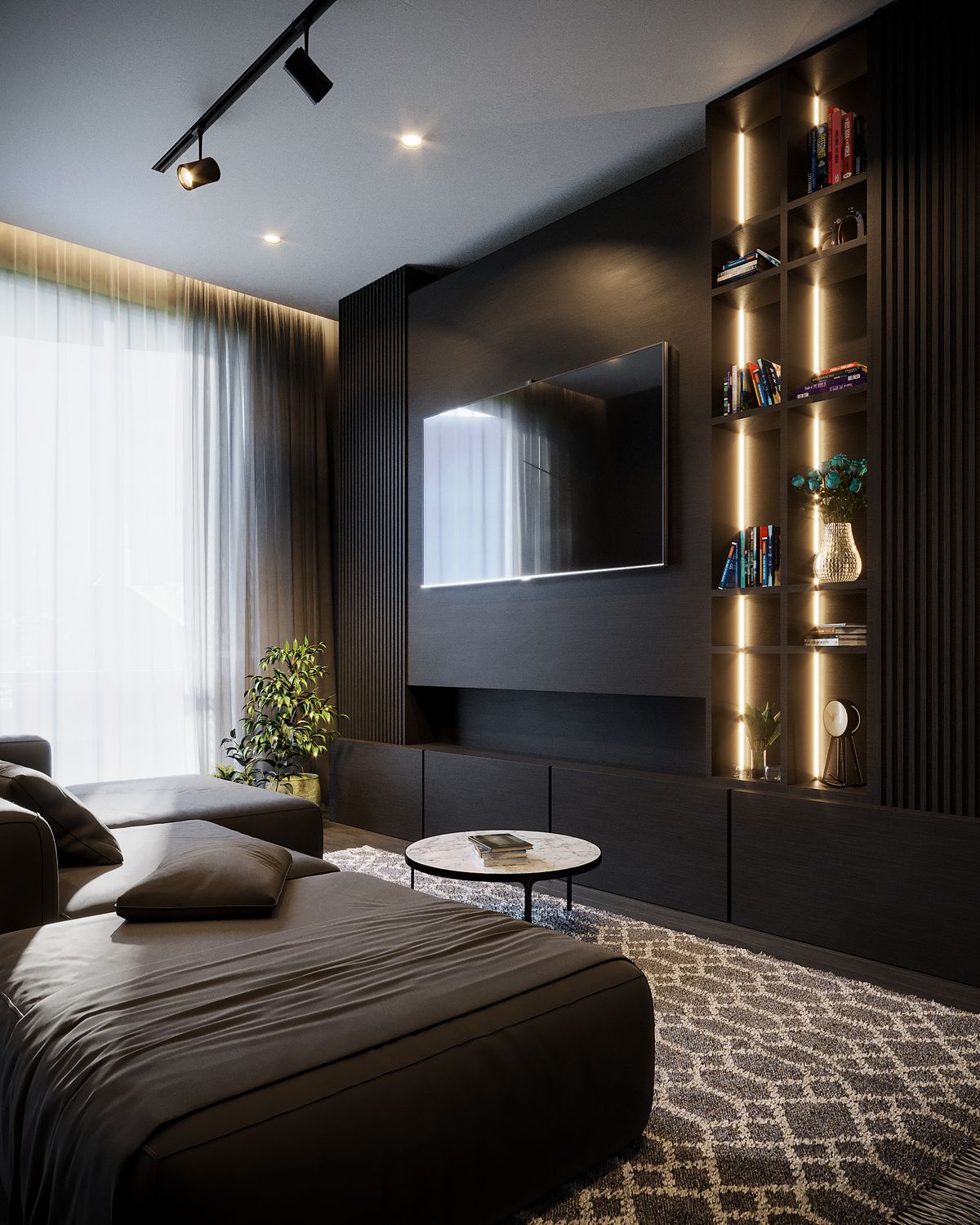
Done well, smart home technology can lift resale value by roughly 3–5% and help a home sell faster, and surveys show many buyers will pay a premium for it. Done poorly — scattered gadgets, dated systems, unreliable setups — the benefit shrinks or disappears. The deciding factor is the quality and integration of the system, not the number of devices.
What the data says
Research from the National Association of Realtors and others has found that homes with smart technology tend to sell faster and at higher prices than comparable homes without it. Buyer surveys back this up: a meaningful share of buyers say they’d pay extra for a smart home, and a majority believe smart features can increase resale value. The interest is strongest among younger buyers entering the luxury market.
Which features add value
| Feature | Why buyers value it |
|---|---|
| Integrated lighting control | Ambiance, convenience, energy savings |
| Security & cameras | Safety and remote peace of mind |
| Smart climate & energy | Comfort and lower running costs |
| Motorized shades | Convenience, UV/heat protection |
| Whole-home networking | The reliable backbone buyers expect |
| Unified control | One system that simply works |
Done well vs. gimmick
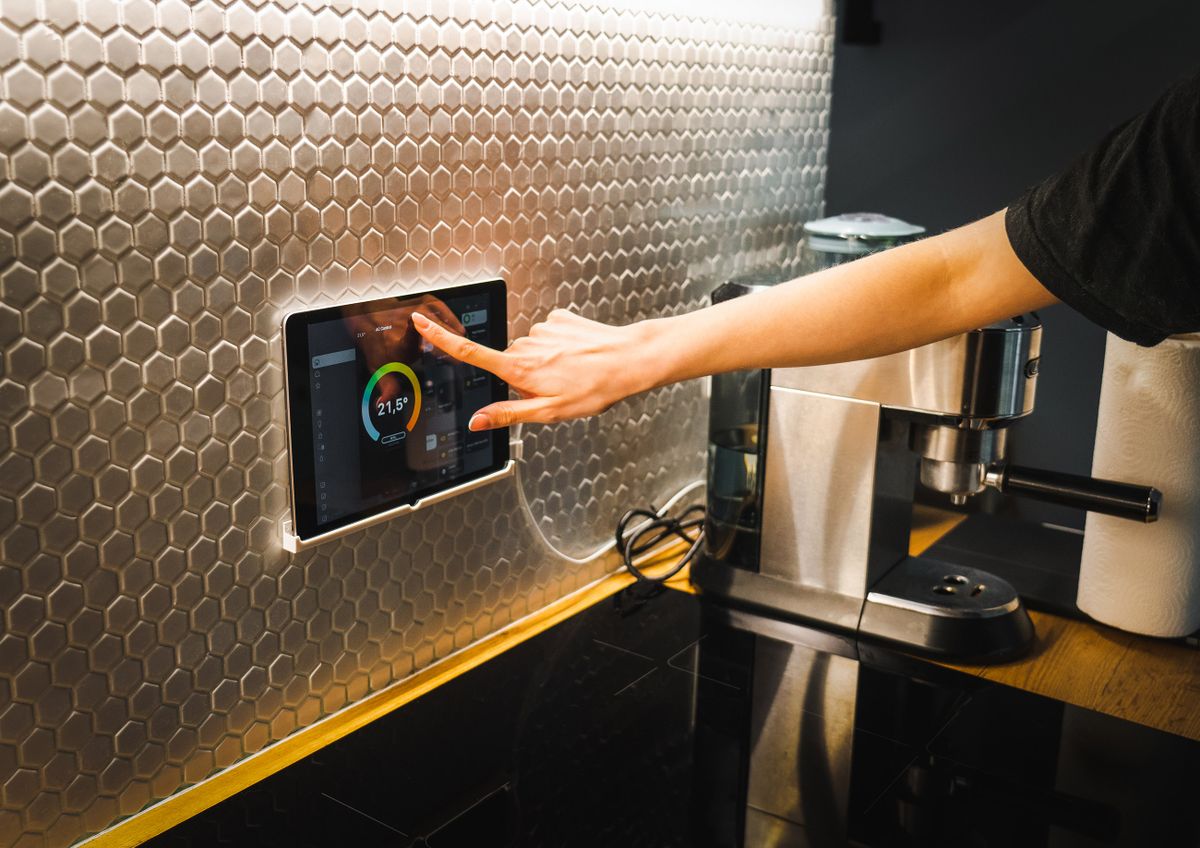
The difference between value-adding and value-neutral comes down to integration and reliability. A professionally designed system — where lighting, climate, shades, security, and AV work together through one interface — reads as a feature of a quality home. A drawer full of mismatched DIY devices reads as clutter a buyer will have to sort out. Reliability matters too: nothing undermines a showing like a “smart” home that doesn’t respond.
How to invest wisely
Favor integrated, professionally installed systems in the categories buyers care about, keep them current and reliable, and make sure the home’s networking foundation is solid. And remember the caveat: technology enhances a strong home rather than rescuing a weak one. If you’re weighing platforms or partners, our guides on choosing a platform and choosing an integrator are good next reads.
Invest in tech that lasts.
Ideal Automation builds integrated, reliable systems to a reference-grade standard — the kind that enhances a home for years.
Explore our servicesFrequently asked questions
Does smart home automation increase home value?
It can. Industry research, including from the National Association of Realtors, indicates that homes with smart technology can sell faster and command higher prices, with estimates of roughly a 3–5% increase when the technology is well integrated. Surveys also show many buyers are willing to pay extra for a smart home. The effect is strongest when the system is professional, reliable, and aligned with what buyers want.
Which smart features add the most value?
Buyers tend to value integrated lighting control, security and cameras, smart climate and energy management, motorized shades, and reliable whole-home networking. Professionally installed, unified systems that “just work” add more value than a collection of disconnected DIY gadgets, which can even feel like clutter to buy.
Is smart home tech a guaranteed return?
No. It’s not a silver bullet — location, condition, price point, and local market dynamics still dominate. Smart technology adds value when it’s done well and integrated into a quality home, but a poor or dated installation can add little or even detract. Think of it as enhancing a strong home, not rescuing a weak one.
Does automation help a home sell faster?
Often, yes. Reports indicate that homes with well-implemented smart features tend to attract more interest and sell faster, particularly among younger, tech-comfortable buyers. A clean, reliable, professionally integrated system is a selling point during showings and listings.
Written and reviewed by the team at Ideal Automation — Arizona integrators of custom AV, lighting, and home automation, and specialists in modern Crestron CH5 graphics.