
Protect Your AV Gear from Arizona Monsoon Power Surges
Why Arizona monsoon season threatens AV and smart home gear, and how layered surge protection — whole-house plus point-of-use — keeps your system safe.

Every summer, Arizona’s monsoon storms put home electronics at real risk. The same dramatic lightning that makes desert skies spectacular sends damaging surges through power lines — and a single hit can take out a rack of expensive AV and automation gear. The good news: layered surge protection makes a system remarkably resilient. Here’s how it works and what to put in place. Clean, protected power is part of how we build a reliable network and system foundation.
The short answer
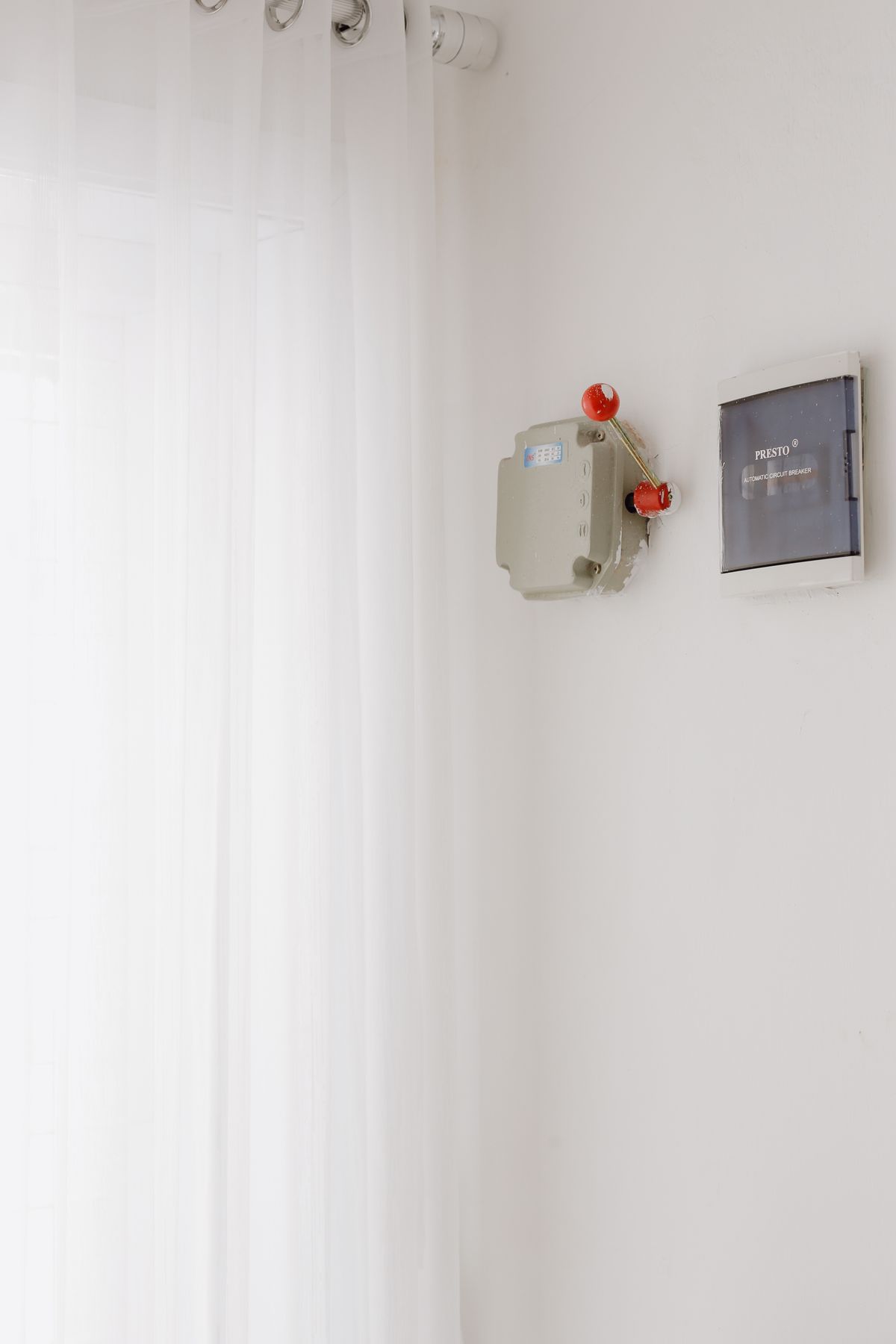
Protect your system in layers: a whole-house surge protector at the main panel to clamp big surges, plus quality point-of-use protection (UL-listed, high-joule) on equipment racks and key devices. Protect every path into the gear — power, coax, and network — and pair it with good ventilation and clean power for day-to-day reliability.
Why monsoon season threatens AV gear
A power surge is a brief, intense voltage spike that travels through electrical wiring and data cables. The extra voltage generates heat that can damage or destroy the sensitive circuit boards inside electronics. Monsoon storms create several sources at once: lightning that can travel through power lines into the home, downed lines from high winds, and utility switching during outages that produces short but powerful spikes. For a home full of high-end AV and control gear, that’s a meaningful seasonal risk.
Layered protection: whole-house plus point-of-use
No single device does it all. A whole-house surge protector installed at the main electrical panel is the first line of defense, clamping large surges before they spread through the home. Point-of-use protection — UL-listed units with a high joule rating (1,000+) — then guards individual racks and devices against what gets through and against surges generated inside the home. Together they provide defense in depth, which is exactly what valuable, always-on equipment needs.
What to protect
| Path | Risk | Protection |
|---|---|---|
| Main power | Large surges from the grid | Whole-house SPD at the panel |
| Rack & devices | Residual + internal surges | UL-listed, high-joule point-of-use |
| Coax / satellite | Surges via the TV line | Inline coax surge protection |
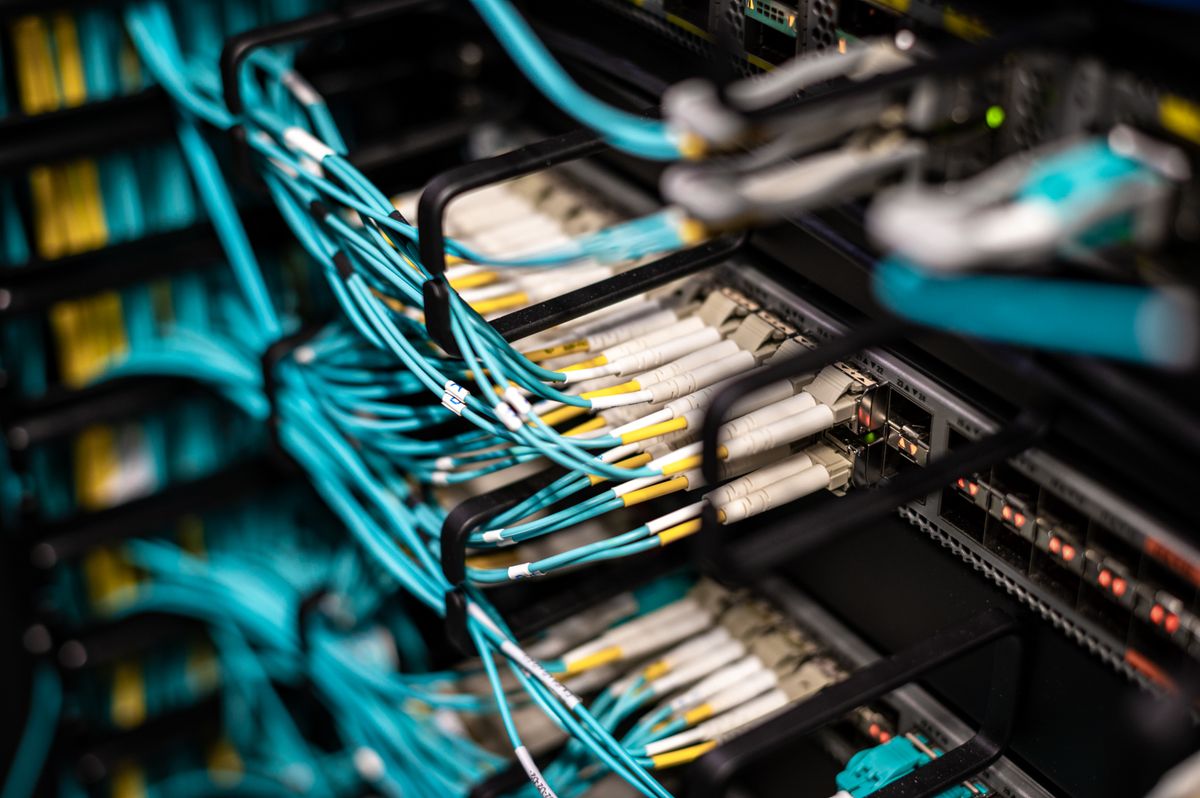
| Network / data | Surges via cabling | Protected at the rack |
| Sensitive electronics | Dirty power, sag/spike | Line conditioning / clean power |
Beyond surges: heat and wiring
Surge protection is one piece of keeping a system reliable in Arizona. Heat is another — equipment racks belong in cool, ventilated spaces, not hot closets or garages. And the wiring itself matters: flickering lights, frequent breaker trips, or discolored outlets can signal electrical issues worth addressing. Building protection and ventilation in from the start — ideally during the pre-wire — is far easier than retrofitting after a failure.
How to protect your system
Steps to protect a home AV system from surges
- 1
Install whole-house surge protection
Have a licensed electrician add a surge protective device at the main electrical panel to clamp large surges before they reach your equipment.
- 2
Add point-of-use protection at the rack
Use UL-listed surge protection with a high joule rating (1,000+) on equipment racks and key devices for a second layer of defense.
- 3
Protect coax and network lines
Surges travel on TV and data cabling too — protect coax/satellite and network paths into the rack, not just power.
- 4
Add clean power for sensitive gear
Consider line conditioning or power management for processors and critical electronics to smooth out sags and spikes.
- 5
Keep equipment cool and ventilated
Locate racks in cool, ventilated spaces. Heat shortens the life of electronics, especially in Arizona summers.
- 6
Have an integrator review the system
A professional can size protection correctly, cover every signal path, and integrate it with ventilation and clean power.
Build it to last the monsoon.
Ideal Automation designs reliable systems with clean power, surge protection, and proper ventilation built in.
Explore networking & infrastructureFrequently asked questions
Can a power surge damage my AV or smart home system?
Yes. A surge is a short, intense voltage spike that travels through power and data lines, generating heat that can damage or destroy the circuit boards in TVs, receivers, processors, and control gear. High-end AV and automation equipment is especially worth protecting given its cost and the disruption a failure causes.
Why is monsoon season a risk for electronics in Arizona?
Monsoon storms bring several hazards at once: lightning that can travel through power lines into the home, downed lines from high winds, and utility switching during outages that creates brief but powerful surges. Together they make summer a high-risk period for unprotected electronics across Arizona.
What’s the best surge protection for a home AV system?
Layered protection. Start with a whole-house surge protector installed at the main electrical panel to clamp large surges, then add quality point-of-use protection — UL-listed units with a high joule rating (1,000+) — on equipment racks and key devices. Don’t overlook coax/satellite and network lines, which also carry surges, and consider line conditioning for sensitive gear.
Do I need a professional to install surge protection?
Whole-house surge protection is installed at the main panel and should be done by a licensed electrician. Rack-level protection and clean power for an AV system are best specified by your integrator, who can size protection correctly, protect every signal path, and integrate it with proper ventilation and power management.
Written and reviewed by the team at Ideal Automation — Arizona integrators of custom AV, lighting, and home automation, and specialists in modern Crestron CH5 graphics.